Package Tour 01 | The Trail of Multatuli

Eduard Douwes Dekker (2 March 1820 – 19 February 1887), better known by his pen name Multatuli (from Latin multa tulī, "I have suffered much"), was a Dutch writer best known for his satirical novel Max Havelaar (1860), which denounced the abuses of colonialism in the Dutch East Indies (today's Indonesia). He is considered one of the Netherlands' greatest authors.
Background
Land interest system
The land interest system was based on the idea that the colonizer owned all the land in the colony. Land was rented to farmers, among others, but they had to pay "land interest" (land tax). This meant that a predetermined part (half, two fifth or one third) of the cultivated agricultural products had to be donated or a similar sum of money had to be paid. Raffles introduced the system as a replacement for the old VOC operating system. His system did not work flawlessly. For example, there were problems with the collection of funds and the system created more and more of a money economy, while the main requirement was for the export of goods.Introduction of the cultural system
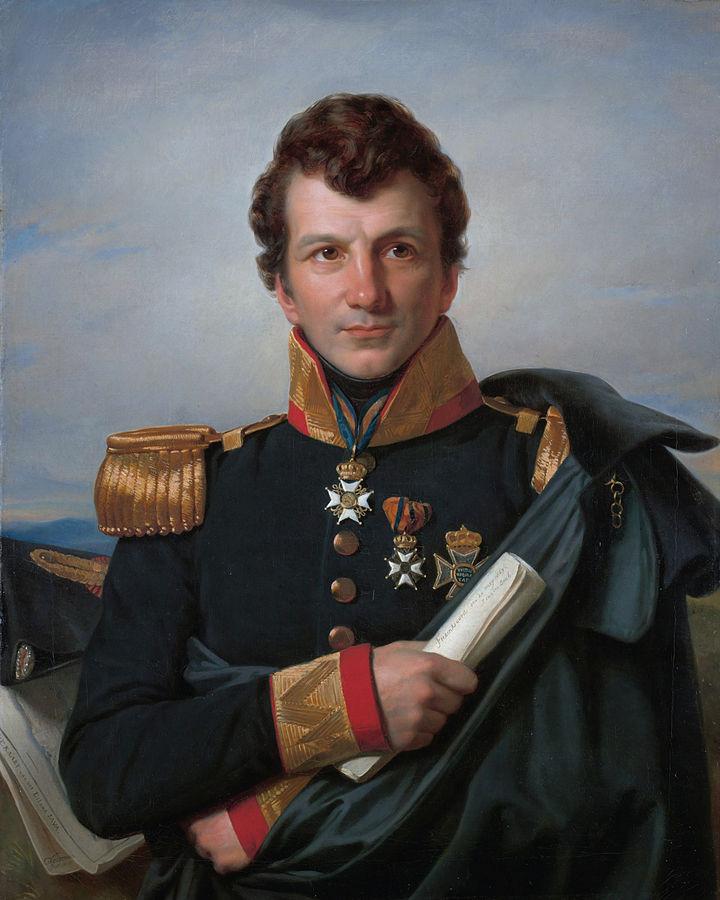
To optimize the proceeds from the colony, Johannes van den Bosch, who was appointed to make the almost bankrupt colony profitable again, developed a new system. Extra income was desperately needed. The colony was financially poor in 1830, partly due to the Java War, and in the opinion of the governor the old land interest system was inadequate. Just like Raffles, Van den Bosch took the principle that the colonial regiment was the owner of all land and therefore allowed to collect landlords. In the old system, many farmers paid the obligation imposed on them in money. Van den Bosch, however, preferred that the farming population supplied agricultural products that were suitable for export. After all, those products could be resold at high prices. With the introduction of the Culture System, the governor therefore obliged the indigenous population to use - as a leasehold - twenty percent of the land for, among other things, growing coffee, indigo, tea and sugar. These products had to be delivered to the government. Historian Wim van den Doel wrote about this in his far as far as the world goes:Van den Bosch assumed that such a system would ultimately also be beneficial for the prosperity of the Javanese population. The farmers received compensation for the products supplied (the 'plant wage'), while they did not have to pay anything to the government in the event of a possible harvest.

Tour Highlights
- Learn about Douwes Dekker; his works, workplace, residence during the colonial time in Indonesia, Multatuli Museum in Rangkas Bitung (Banten).
- Learn about the history of Dutch quest for spices during the Age of Discovery, places related to the Dutch trade, the V.O.C. (United East India Company); Old Banten, Sunda Kelapa Harbour, Fatahillah Square.
- Learn and understand about coffee-culture system (coffee cultivation) from the cultuurstelsel point of view, a system considered harsh, unjust, and unfair, by the locals. The word “cultuur” was used in the V.O.C.-period in the French sense of “culture” being especially the cultivation of the land. There was coffee-culture, pepper-culture, etc. and the servile services in these “cultures” were called “cultuur-diensten”. The “Cultuurstelsel” of Van den Bosch was a system of government cultures, the produce of which served to provide tributes to the mother country (The Netherlands).
- Learn and understand about the cultivation of coffee, entire process and life-cycle of coffee, from planting to roasting, on location at Gambung coffee plantation near Bandung.
- Learn and understand about the indigenous people of Baduy (Kanekes) in Banten.
- Visit other places of interest which have educational values; Indonesia Bamboo Foundation in Bogor, Bogor Botanical Garden, tea plantation and processing in Puncak, Museum of Geology in Bandung, Bosscha Astronomical Obesrvatory in Lembang etc.


Comments
Post a Comment